
Despite their name, black bears can come in a range of colors, including brown, cinnamon, tan, blond, blue-gray, and even white. These color variations are often genetic adaptations to help them blend into their surroundings. In dense deciduous forests, black fur provides the best camouflage in the underbrush. In the dry western regions, brown or cinnamon fur helps black bears blend into the rocky landscape. The Glacier Bear of southeastern Alaska is known for its rare dark blue-gray fur, while the rarest of all is the “Spirit Bear” of British Columbia, which has white fur due to a recessive gene mutation.
A black bear’s fur color can change throughout its life. After a summertime molt, their coat may appear lighter, and it can also be bleached by the sun. Young black bears with brown or cinnamon fur often darken as they reach adulthood. Interestingly, within a black bear family, siblings can have different fur colors.
Whether they’re rocking sleek black fur or sporting the rare spirit white, black bears remind us that nature loves a colorful twist!
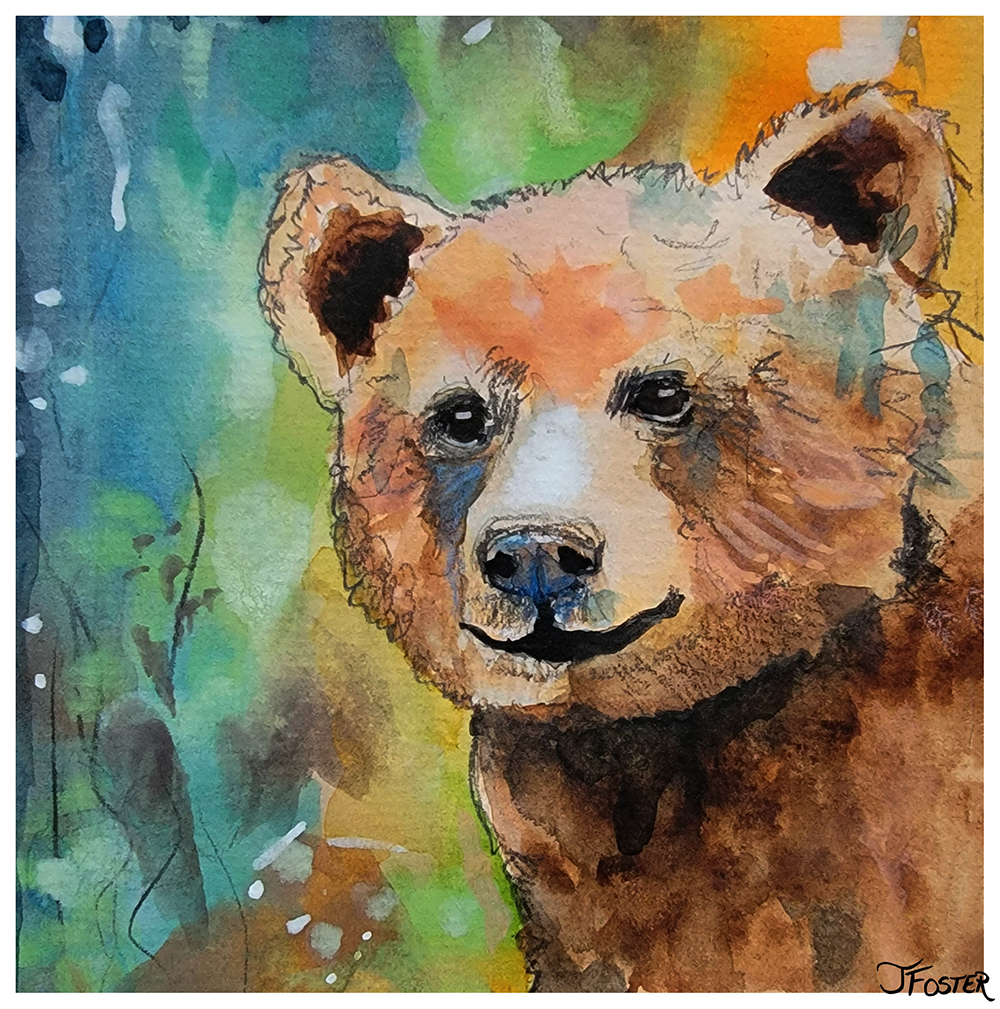
More Fun Facts About Black Bears
Size: Black bears are significantly smaller and less aggressive than Grizzly bears (also known as Brown bears).
Great Tree Climbers: Black bears are excellent climbers. Young bears, in particular, will often climb trees to avoid predators. Their short, curved claws make them agile and fast climbers.
Diet Variety: Although often thought of as meat-eaters, black bears are actually omnivores with a diverse diet. Up to 90% of their diet consists of fruits, nuts, and plants, with the rest made up of insects, fish, and small mammals.
Hibernation Experts: During hibernation, a black bear’s heart rate can drop from 40-50 beats per minute to as low as 8! Despite this dramatic slowdown, they don’t suffer the muscle or bone loss that humans would from prolonged inactivity.
Super Sniffers: Black bears have an incredible sense of smell—about seven times stronger than that of a dog. They can detect food from miles away, making them expert foragers.
Adaptable and Resourceful: Black bears are highly adaptable, able to thrive in a wide range of habitats, from forests and swamps to mountains. They can also adjust their diet and behaviors based on food availability.
Lead more: National Geographic | American Black Bear
 Jackie Foster Art